Mon-Sat: 8:30 - 20:30
Sun: 10:00 - 17:00
amarinichev@ngc.clinic
international@ngc.clinic

Blastocyst Culture: Why Many International Patients Opt for Day-5 Transfers

International patients often ask why NGC transfers embryos on Day 5 rather than Day 3. The reason is simple: for donor egg IVF with PGT-A, blastocyst culture is not optional—it is essential.

Genetic testing requires blastocyst-stage embryos, and frozen embryo transfer protocols depend on reliable blastocyst vitrification, allowing patients to return home while awaiting results. In addition, the period between Day 3 and Day 5 acts as natural selection: 30–40% of embryos arrest during this stage, identifying those unlikely to result in pregnancy and reducing unnecessary transfers.

For international patients, Day 5 blastocyst transfer is the global standard—and choosing a clinic with proven blastocyst culture expertise directly impacts success rates.

The Evolution from Day 3 to Day 5: Understanding the Paradigm Shift

The historical context matters.

The 1980s-1990s: Day 2-3 transfers were standard

Early IVF laboratories couldn't reliably culture embryos beyond 48-72 hours. Culture media lacked the sophisticated formulations required to support blastocyst development. Embryologists transferred cleavage-stage embryos (Day 2-3) by necessity, not preference—the technology simply didn't exist to culture embryos longer [1].

Success rates were modest: 15-20% pregnancy rate per transfer with Day 3 cleavage-stage embryos.

The late 1990s: Breakthrough in sequential culture media

Development of specialized "sequential media"—different formulations optimized for cleavage stage (Day 0-3) versus blastocyst stage (Day 4-7)—enabled reliable extended culture. By providing embryos with stage-appropriate nutrients (pyruvate/lactate early, glucose later), laboratories could successfully culture 50-70% of fertilized eggs to blastocyst stage [2].

The first blastocyst transfers showed encouraging results, but debate remained: Were pregnancy rates truly better, or were clinics simply selecting stronger embryos?

The 2000s-2010s: Randomized trials and emerging consensus

Multiple randomized controlled trials compared Day 3 vs. Day 5 transfers. The findings were nuanced:

  • Per-transfer pregnancy rates: Day 5 transfers showed 5-15% higher implantation rates per embryo
  • Cumulative pregnancy rates: No significant difference when accounting for multiple transfers from same retrieval
  • Key insight: Day 5 transfers achieved pregnancy with FEWER transfer attempts (median 4 transfers vs. 5 for Day 3) [3]

The modern era (2015-present): PGT-A drives universal blastocyst culture

The widespread adoption of PGT-A genetic testing fundamentally changed the equation. Trophectoderm biopsy—the gold standard for PGT-A—requires blastocyst-stage embryos. This single technical requirement accelerated the global shift toward universal blastocyst culture for any cycle involving genetic testing [4].

Today, approximately 75-85% of IVF cycles in advanced reproductive medicine centers culture embryos to blastocyst stage. Day 3 transfers persist primarily in:

  • Clinics with limited laboratory capabilities
  • Patients with very few embryos (2-3 fertilized eggs)
  • Countries with legal restrictions on embryo culture duration

The Medical Case for Blastocyst Culture: Beyond the Hype

Reason 1: Natural selection eliminates chromosomally abnormal embryos

Between Day 3 and Day 5, embryos undergo massive developmental challenges:

Day 4 (compaction): Embryo transitions from maternal control to embryonic genome activation. Embryos with significant genetic abnormalities often arrest at this stage—their chromosomal errors prevent successful gene activation.

Day 5 (blastocyst formation): Cells differentiate into inner cell mass (ICM) and trophectoderm (TE), requiring precise gene expression. Aneuploid embryos disproportionately fail this transition.

The statistical reality:

From 12 fertilized donor eggs:

  • Day 3: Expect 10-11 cleavage-stage embryos (8-cell stage)
  • Day 5: Expect 6-9 blastocysts

The 30-40% that arrest between Day 3-5 were predominantly chromosomally abnormal. Research shows embryos arresting before blastocyst have 70-85% aneuploidy rates [5].

Clinical implication: By culturing to Day 5, you've already eliminated the majority of embryos that would result in failed implantation or early miscarriage—without the cost of genetic testing of every embryo.

    Reason 2: Blastocyst-stage embryos have higher implantation potential

    When comparing embryos of similar quality:

    Transfer Stage

    Implantation Rate (per embryo)

    Live Birth Rate (per transfer, 2 embryos)

    Day 3 (8-cell)

    18-25%

    30-38%

    Day 5 (blastocyst)

    50-62%

    45-55%

    Why the difference? Blastocyst embryos have proven developmental competence—they've successfully navigated genome activation, compaction, and cell differentiation. They're also synchronized with uterine receptivity (the "implantation window" naturally occurs Days 6-8 post-ovulation, matching blastocyst development) [6].

    Reason 3: Single embryo transfer becomes safe and effective

    The rise of blastocyst culture enabled a critical shift: elective single embryo transfer (eSET) while maintaining high pregnancy rates.

    With Day 3 embryos:

    • Single embryo transfer: 15-20% pregnancy rate
    • Two embryo transfer: 30-35% pregnancy rate
    • Twin rate when transferring 2: ~20-25%

    With Day 5 blastocysts:

    • Single blastocyst transfer: 45-55% pregnancy rate
    • Twin rate: <2% (only monozygotic splitting)

    For international patients, eSET with blastocysts offers optimal balance: maximized pregnancy probability per transfer while eliminating twin pregnancy risks (which complicate pregnancy management and increase costs for international patients) [7].

    Reason 4: Improved embryo grading and selection

    Blastocyst morphology provides far more information than Day 3 morphology:

    Day 3 assessment (limited):

    • Cell number (6-10 cells)
    • Fragmentation degree
    • Cell symmetry

    Day 5 assessment (comprehensive):

    • Expansion stage (1-6 scale)
    • Inner cell mass quality (A-C grade)
    • Trophectoderm quality (A-C grade)
    • Development speed (Day 5 vs. Day 6 vs. Day 7)

    The Gardner blastocyst grading system correlates significantly with pregnancy outcomes, allowing embryologists to rank embryos with greater accuracy than Day 3 morphology permits [8].

    The PGT-A Imperative: Why Genetic Testing Requires Blastocyst Culture

    For international patients pursuing donor egg cycles with PGT-A, blastocyst culture isn't optional—it's mandatory.

    Why it is safer to use Day 5 embryos for PGT-A:

    Cellular requirements:

    • PGT-A analysis needs 5-10 cells for reliable DNA amplification
    • Day 3 embryo contains only 6-10 total cells → Removing 1-2 cells (Day 3 biopsy) damages embryo
    • Blastocyst contains 100-200 cells → Removing 5-10 trophectoderm cells represents <5% of total mass

    Safety profile:

    Biopsy Timing

    Cells Removed

    % of Total Embryo

    Impact on Implantation

    Day 3 (cleavage)

    1-2 cells

    12-20%

    -40%

    Day 5 (blastocyst)

    5-10 TE cells

    3-7%

    -0 to -5% 

    Research conclusively demonstrates Day 3 biopsy significantly impairs embryo viability, while trophectoderm biopsy has minimal to no impact on pregnancy outcomes [9].

    Mosaicism considerations:

    Day 3 embryos: High level of mosaicism (30-50% of embryos contain both normal and abnormal cell lines). Biopsying 1-2 cells cannot accurately represent the entire embryo's genetic status—risk of misdiagnosis.

    Day 5 blastocysts: Lower mosaicism (~15-25%) due to cell lineage differentiation. Trophectoderm sample more reliably reflects overall chromosomal status [10].

    Diagnostic accuracy:

    Biopsy Stage

    False Negative Rate

    False Positive Rate

    Overall Accuracy

    Day 3

    5-10%

    15-25%

    70-80%

    Day 5

    1-3%

    8-15%

    90-95%

    Blastocyst biopsy provides significantly more accurate genetic diagnosis—critical when making decisions about which embryos to transfer.

    The freeze-all protocol:

    PGT-A results require 10-14 days. During this time, embryos must be vitrified. Modern vitrification techniques achieve >98% survival rates for blastocysts—far superior to Day 3 embryo freezing (85-92% survival with slow-freeze methods) [11].

    For international patients, the timeline:

    1. Cycle Day 0 (ICSI): Donor eggs fertilized
    2. Day 5-6: Blastocyst biopsy performed
    3. Day 5-6: Embryos vitrified immediately post-biopsy
    4. Day 7-10: Patient departs for home country (no need to remain)
    5. Day 24-28: PGT-A results available (emailed to patient)
    6. Month 2-3: Patient returns for FET cycle

    This logistics flow is ONLY possible with blastocyst culture + vitrification technology. Day 3 protocols would require patients to remain on-site for extended periods or accept inferior freezing outcomes.

    Day 5 vs. Day 6 vs. Day 7 Blastocysts: Development Speed Matters

    Not all blastocysts are created equal—timing influences outcomes.

    Euploidy rates by development day (donor eggs):

    Development Day

    Euploidy Rate

    Clinical Pregnancy Rate (euploid transfer)

    Day 5

    50-58%

    60-65%

    Day 6

    35-45%

    55-60%

    Day 7

    25-35%

    48-52%

    The biological explanation: Faster-developing embryos tend to have more efficient metabolism, reflecting underlying chromosomal health. Slower development often (though not always) indicates suboptimal cellular function associated with aneuploidy [12].

    CRITICAL NUANCE: Among EUPLOID embryos (genetically normal), Day 5 vs. Day 6 outcomes are similar—both achieve ~55-62% live birth rates. Development speed predicts euploidy probability, but once an embryo tests euploid, its development speed matters less [13].

    NGC protocol:

    • Culture all fertilized embryos through Day 7
    • Biopsy blastocysts on Days 5, 6, or 7 as they reach appropriate expansion grade (≥3)
    • Prioritize Day 5 euploid embryos for first transfer
    • Day 6-7 euploid embryos are excellent backup options with strong success potential

    The Logistical Advantages for International Patients

    Beyond medical benefits, blastocyst culture solves critical logistical challenges for patients traveling internationally.

    Advantage 1: Minimized time at destination

    Day 3 fresh transfer protocol (hypothetical):

    • Arrival: 2-3 days before egg retrieval
    • Retrieval: Day 0
    • Transfer: Day 3
    • Total stay: 7-8 days minimum

    Day 5 freeze-all + FET protocol (NGC standard):

    • Retrieval trip: 2-3 days only (leave immediately after retrieval/biopsy)
    • Return home while embryos culture + undergo PGT-A
    • FET trip: 3-4 days (arrive for general health check-up and lining check, transfer, depart after transfer)
    • Total stay: 5-7 days across TWO trips vs. 7-8 days continuous

    For patients with work obligations, family responsibilities, or limited time off, this difference may be important.

    Advantage 2: Informed embryo selection

    Frozen embryo transfer after PGT-A results allows you to:

    • Know exactly how many euploid embryos you have before deciding whether to transfer or pursue additional retrieval
    • Strategically plan family building: Transfer one embryo now, preserve remaining euploids for sibling
    • Avoid futile transfers: Don't waste time/money transferring aneuploid embryos destined to fail

    With Day 3 fresh transfer, you transfer without knowing:

    • Whether embryos are chromosomally normal
    • How many usable embryos you'll ultimately have
    • Whether you should save embryos for future children

    Advantage 3: Optimized endometrial preparation

    Fresh transfer requires synchronizing ovarian stimulation (donor) with endometrial preparation (recipient). This synchronization:

    • Limits flexibility in timing
    • May result in suboptimal endometrial receptivity
    • Creates stress around exact timing

    Frozen embryo transfer (FET) after blastocyst vitrification allows:

    • Personalized endometrial preparation independent of donor's ovarian response
    • ERA testing (Endometrial Receptivity Analysis) if indicated
    • Flexible scheduling around patient's work/travel commitments

    Research shows FET cycles have equal or slightly higher pregnancy rates compared to fresh transfers (58-62%) [14].

    Advantage 4: Guaranteed PGT-A compatibility

    Some patients initially plan "fresh transfer" but later decide they want PGT-A after seeing fertilization results or based on embryo development. If embryos were cultured only to Day 3, PGT-A becomes impossible—Day 3 biopsy is too damaging.

    By universally culturing to blastocyst, NGC ensures PGT-A remains an option regardless of when the decision is made.

    Addressing Common Concerns: "Will My Embryos Survive Extended Culture?"

    Concern 1: "Won't embryos that arrest in the lab have survived in my uterus?"

    This is the most common objection, especially from clinics still performing Day 3 transfers.

    The claim: "The uterus is a superior environment to any laboratory. Embryos that arrest in culture might have implanted if transferred on Day 3."

    The evidence: Multiple studies have addressed this directly. When comparing cumulative pregnancy rates (all embryos from one retrieval), Day 3 vs. Day 5 strategies show no significant difference in final outcomes [15].

    Translation: Embryos that arrest between Day 3-5 in a well-maintained laboratory would have arrested in utero. The laboratory doesn't "kill" viable embryos—it reveals which embryos lack developmental competence.

    NGC's position: We respectfully disagree with clinics claiming the uterus can "rescue" embryos that fail in laboratory culture. Our culture systems use pharmaceutical-grade sequential media, tri-gas incubators (6% CO₂, 5% O₂), and continuous environmental monitoring. Embryos that arrest under these optimal conditions would not survive in vivo.
    Concern 2: "What if ALL my embryos arrest before Day 5?"

    Statistical reality: Complete arrest (zero blastocysts from 6+ fertilized embryos) occurs in <5% of donor egg cycles. When it occurs, it typically indicates:

    • Sperm quality issues (severe DNA fragmentation)
    • Unexpected egg quality problems
    • Laboratory technical issues (rare with experienced centers)

    NGC approach: We monitor embryos daily. If embryos show signs of developmental delay or arrest, we:

    1. Immediately notify the patient
    2. Provide detailed analysis of likely causes
    3. Offer a solution in the form of a free follow-up program (provided the male partner’s sperm quality was normal on the sperm collection day)

    Concern 3: "Is Day 7 too late for embryos?"

    Day 7 blastocysts have lower euploidy rates (25-35%) than Day 5 (50-58%), but euploid Day 7 blastocysts have respectable pregnancy outcomes (45-52% live birth rate per transfer).

    We culture through Day 7 because approximately 5-10% of viable blastocysts don't reach biopsy-ready stage until Day 6-7. Discarding them prematurely eliminates potentially successful embryos [16].

    When Day 3 Transfer Still Makes Sense: The Exceptions

    Our standard protocol for donor egg cycles:

    NGC Protocol: Day 5 Blastocyst Culture for International Patients

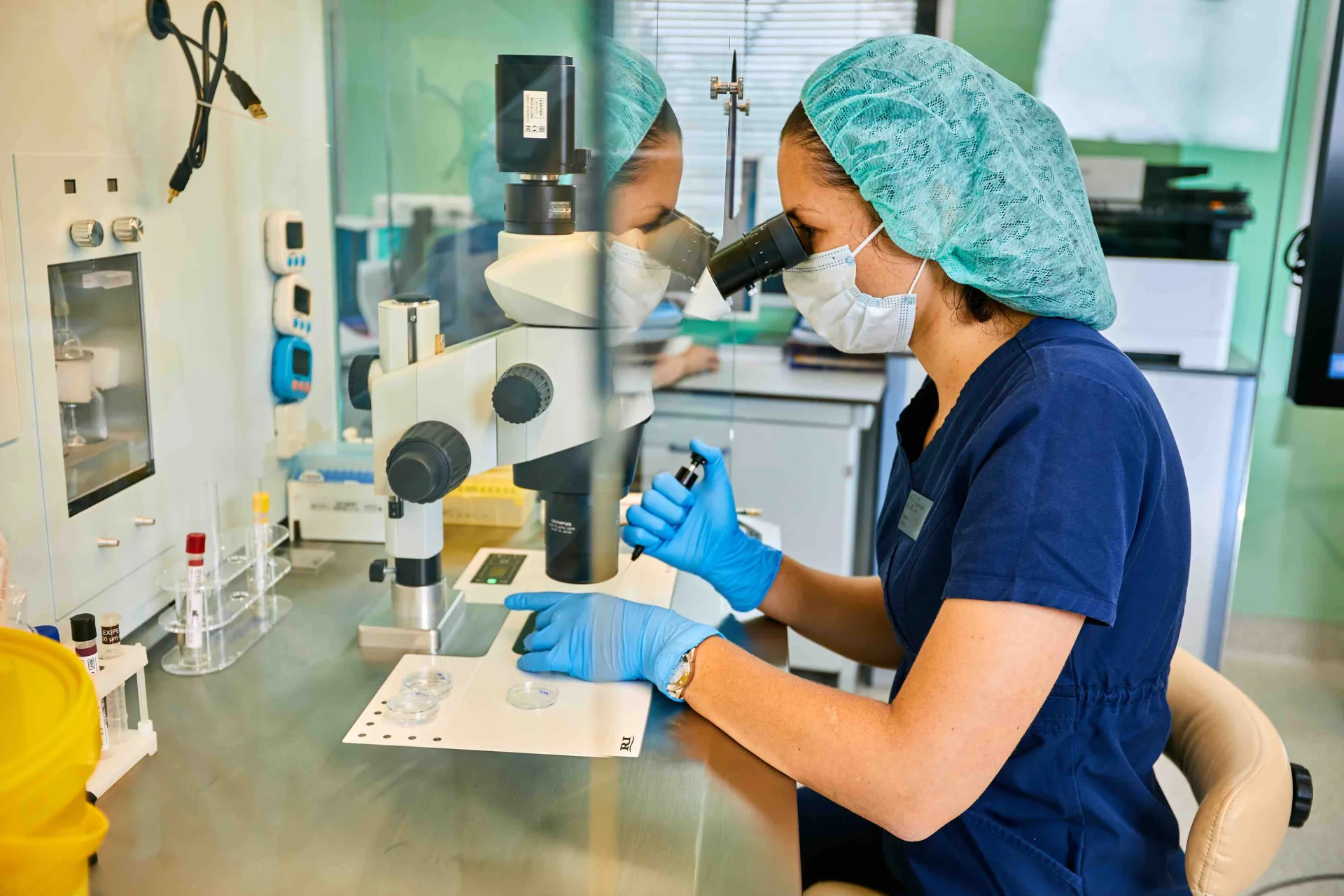
    Reliable blastocyst culture requires far more than basic IVF laboratory capabilities, and not all clinics have the infrastructure to support it consistently. Extended embryo culture depends first on advanced incubation technology, including tri-gas incubators with precise control of CO₂, O₂, and N₂ levels. Benchtop incubators are preferred because they minimize gas and temperature fluctuations during routine handling, while strict temperature stability within ±0.3°C and controlled humidity are essential to prevent embryo stress and evaporation.

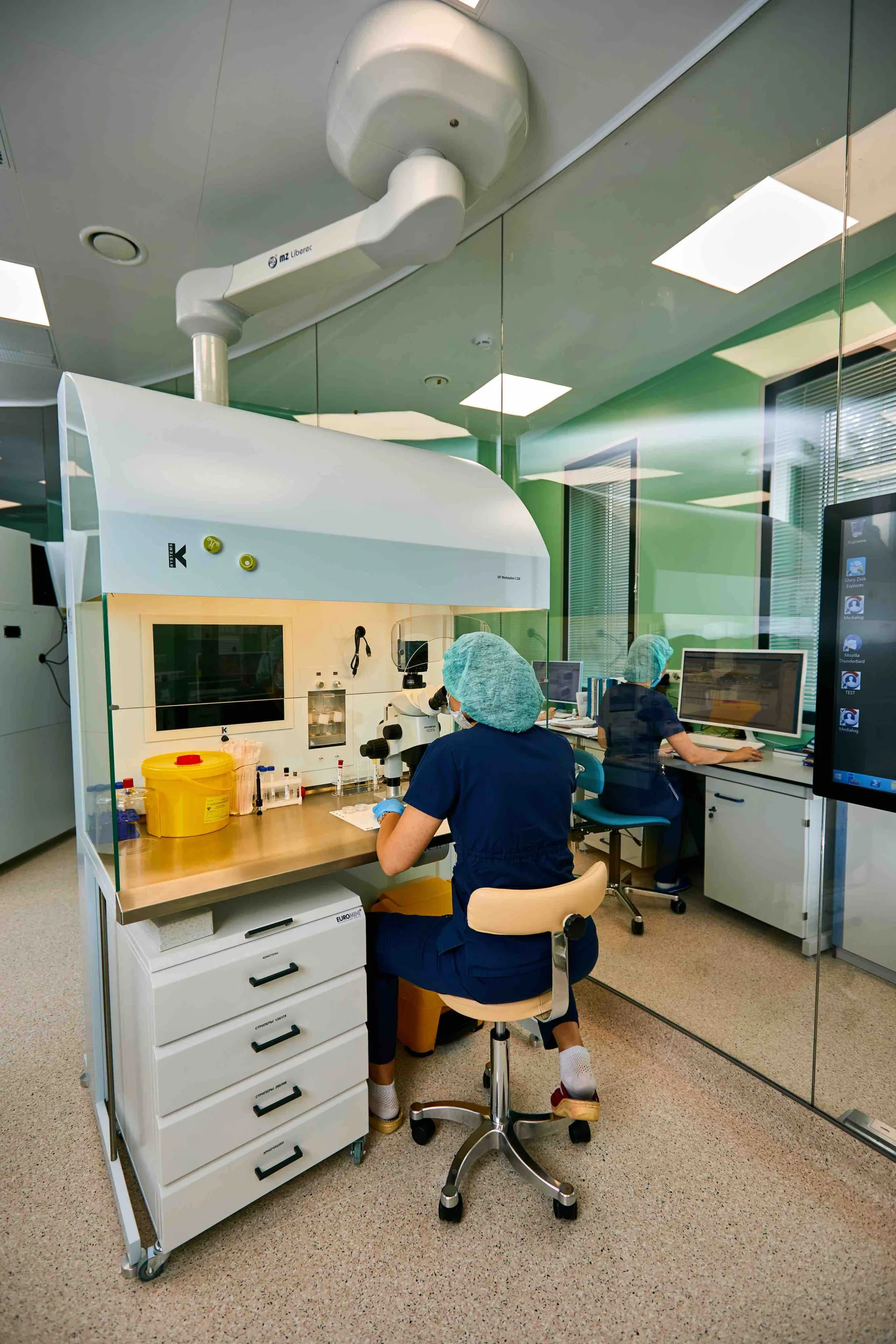
    Equally important is the laboratory environment itself. High-performing IVF labs rely on HEPA-filtered air to remove volatile organic compounds, positive-pressure cleanrooms to prevent contamination, and continuous monitoring of temperature and humidity around the clock. Robust emergency backup systems, including generators and redundant incubators, are critical to protect embryos from unforeseen disruptions.

    Embryologist expertise is another decisive factor. Successful blastocyst culture requires specialists with several years of focused training in extended culture protocols, strong skills in daily morphological assessment, and proven proficiency in embryo biopsy for PGT cycles. Even with optimal equipment, outcomes depend heavily on human experience and consistency.

    High-quality laboratories also track performance metrics continuously. Blastocyst formation rates, euploidy rates stratified by donor age, and pregnancy outcomes are closely monitored and correlated with embryology data as part of ongoing quality improvement programs.

    NGC’s laboratory infrastructure reflects these requirements, with multiple Embryoscopes, eight benchtop incubators, a Class 10,000 HEPA-filtered cleanroom, Kuwayama/Kitazato culture media, and 24/7 environmental monitoring supported by automated alert systems. As a result, 2024 data show that 72% of fertilized donor eggs at NGC develop to the blastocyst stage, compared with 58% for patients using their own eggs under 35 and 42% for those aged 35–40.

    Day 0 (ICSI): All mature donor eggs undergo ICSI fertilization

    Day 1 (16-18 hours post-ICSI): Fertilization check

    • Normal fertilization (2PN) embryos continue culture
    • Abnormal fertilization (3PN) discarded
    • Patient receives detailed fertilization report

    Day 2-3: Cleavage stage monitoring

    • Brief morphology check (do not remove from incubator)
    • No detailed grading (Day 5 assessment more informative)

    Day 4: Assessment (compaction stage)

    Day 5: Secondary blastocyst assessment and biopsy

    • Gardner grading (expansion + ICM + TE)
    • Blastocysts ≥grade 3BB undergo trophectoderm biopsy
    • Biopsied embryos immediately vitrified
    • Lower-grade blastocysts continue culture

    Day 6: Secondary blastocyst assessment and biopsy

    • Additional embryos reaching biopsy-ready stage
    • Same biopsy + vitrification protocol

    Day 7: Final assessment

    • Any remaining embryos reaching blastocyst
    • Marginal-quality blastocysts (grade 3BC, 3CC) may be biopsied if patient has limited embryos

    Day 21-28: PGT-A results

    • NGS analysis completed (in-house laboratory)
    • Results reported: Euploid / Aneuploid / Mosaic / No result
    • Patient receives comprehensive genetics counseling

    Month 2-3: FET cycle

    • Patient returns for frozen embryo transfer
    • Endometrial preparation (hormone replacement protocol)
    • Single euploid blastocyst transfer
    • Post-transfer progesterone support

    Faqs


    My local clinic says they "prefer Day 3 transfers because the uterus is a better environment than the laboratory." Should I be concerned that NGC only does Day 5?

    This statement reflects outdated understanding. Modern laboratories with tri-gas incubators, sequential media, and HEPA filtration provide excellent embryo culture conditions. The claim that the uterus can "rescue" embryos failing in laboratory culture is not supported by research—randomized trials show cumulative pregnancy rates are identical whether embryos are transferred Day 3 or Day 5, meaning embryos arresting in culture would have arrested in utero. For international patients requiring PGT-A (which demands blastocyst-stage biopsy), Day 5 culture isn't a preference—it's a technical requirement. Day 3 biopsy causes significant embryo damage and has fallen out of favor globally.

    What percentage of my donor egg embryos will typically make it from fertilization to blastocyst?

    With young donor eggs (<30 years), expect approximately 70-75% of fertilized eggs to reach blastocyst stage. Example: If you have 12 fertilized embryos (Day 1), anticipate 8-9 blastocysts (Day 5-7). This is significantly higher than with own eggs from women >35 years (typically 40-55% blastocyst formation). The 25-30% that arrest between Day 1-5 are predominantly chromosomally abnormal embryos that natural selection eliminates. This is a feature, not a flaw—it spares you from transferring embryos destined to fail.

    If I have Day 5 and Day 6 blastocysts that both test euploid, which should I transfer first?

    Transfer the Day 5 blastocyst first. While both have excellent potential (Day 5 euploid: ~60-65% live birth rate; Day 6 euploid: ~55-60% live birth rate), Day 5 embryos have marginally higher success rates and also tend to have superior post-warming re-expansion. However, if your Day 6 blastocyst is significantly higher morphology grade (e.g., Day 6 Grade 5AA vs. Day 5 Grade 3BC), morphology may outweigh timing. Your physician will help prioritize based on complete embryo profile.

    I'm traveling from a country far from Russia and concerned about making two trips (one for retrieval, one for transfer). Can't I just do everything in one trip with fresh transfer?

    Fresh transfer is incompatible with PGT-A, which requires 10-14 days for genetic analysis. Your embryos must be vitrified while awaiting results. The freeze-all + FET approach actually provides advantages: (1) You can leave immediately after retrieval or sperm freezing rather than staying 16-20 days for fresh transfer, (2) FET cycles have equal or better pregnancy rates than fresh transfers, (3) Your endometrium is optimally prepared independent of donor's ovarian response, (4) You have complete genetic information before deciding whether to transfer. Many patients prefer two shorter trips (2-3 days for retrieval, 7-10 days for transfer) over one long 16-20 day stay.

    What happens if zero of my embryos make it to blastocyst? Will you transfer on Day 3 in that case?

    Complete blastocyst arrest is extremely rare (<3% of donor egg cycles). If early signs indicate all embryos are arresting, we would contact you immediately to discuss options. When complete arrest occurs, it typically indicates an identifiable, correctable factor (sperm DNA fragmentation, unexpected egg quality issue) that should be addressed in a subsequent cycle.

    The scientific supervisor reviewed the article

    Lobzeva Diana

    Senior Director of International Medical Affairs, OBGYN, Reproductive Endocrinologist


    Make an appointment

    Scientific References

    [1] Gardner DK, Lane M. Culture and selection of viable blastocysts: a feasible proposition for human IVF? Hum Reprod Update. 1997;3(4):367-382.

    [2] Lane M, Gardner DK. Embryo culture medium: which is the best? Best Pract Res Clin Obstet Gynaecol. 2007;21(1):83-100.

    [3] Mengels A, Van Muylder A, Peeraer K, et al. Cumulative pregnancy rates of two strategies: Day 3 fresh embryo transfer followed by Day 3 or Day 5/6 vitrification and embryo transfer: a randomized controlled trial. Hum Reprod. 2024;39(1):62-73.

    [4] Capalbo A, Cimadomo D, Rienzi L, Ubaldi FM. The dawn of the future: 30 years from the first biopsy of a human embryo. Hum Reprod Update. 2020;26(4):453-473.

    [5] Gleicher N, Vidali A, Braverman J, et al. Accuracy of preimplantation genetic screening (PGS) is compromised by degree of mosaicism of human embryos. Reprod Biol Endocrinol. 2016;14:54.

    [6] Van den Abbeel E, Balaban B, Ziebe S, et al. Association between blastocyst morphology and outcome of single-blastocyst transfer. Reprod Biomed Online. 2013;27(4):353-361.

    [7] McLernon DJ, Harrild K, Bergh C, et al. Clinical effectiveness of elective single versus double embryo transfer: meta-analysis of individual patient data from randomised trials. BMJ. 2010;341:c6945.

    [8] Gardner DK, Schoolcraft WB. Culture and transfer of human blastocysts. Curr Opin Obstet Gynecol. 1999;11(3):307-311.

    [9] Scott RT Jr, Upham KM, Forman EJ, et al. Cleavage-stage biopsy significantly impairs human embryonic implantation potential while blastocyst biopsy does not: a randomized and paired clinical trial. Fertil Steril. 2013;100(3):624-630.

    [10] Cimadomo D, Rienzi L, Romanelli V, et al. Inconclusive chromosomal assessment after blastocyst biopsy: prevalence, causative factors and outcomes after re-biopsy and re-vitrification. Hum Reprod. 2018;33(10):1839-1846.

    [11] Rienzi L, Gracia C, Maggiulli R, et al. Oocyte, embryo and blastocyst cryopreservation in ART: systematic review and meta-analysis comparing slow-freezing versus vitrification to produce evidence for the development of global guidance. Hum Reprod Update. 2017;23(2):139-155.

    [12] Kaing A, Kroener L, Tassin M, et al. Earlier day of blastocyst development is predictive of embryonic euploidy across all ages. J Assist Reprod Genet. 2018;35(8):1479-1484.

    [13] Zhang H, Liu Y, Liu S, et al. Comparison of day 5 blastocyst with day 6 blastocyst: Evidence from NGS-based PGT-A results. J Assist Reprod Genet. 2022;39(2):369-378.

    [14] Zaat T, Zagers M, Mol F, et al. Fresh versus frozen embryo transfers in assisted reproduction. Cochrane Database Syst Rev. 2021;2(2):CD011184.

    [15] Glujovsky D, Farquhar C, Quinteiro Retamar AM, et al. Cleavage stage versus blastocyst stage embryo transfer in assisted reproductive technology. Cochrane Database Syst Rev. 2022;5(5):CD002118.

    [16] Du QY, Wang EY, Huang Y, et al. Blastocoele expansion degree predicts live birth after single blastocyst transfer for fresh and vitrified/warmed single blastocyst transfer cycles. Fertil Steril. 2016;105(4):910-919.