 Cryobank
 Donor Database
 Egg donation


Double Donation IVF: Step-by-Step Process for International Patients
Double donation IVF — a cycle using both donor eggs and donor sperm — offers one of the highest success rates available in assisted reproduction. For international patients, the process may feel complex at first glance, but with the right clinic it follows a clear, well-organized path. Below is a detailed guide to what you can expect: medically, logistically, and legally.


- Both partners have poor gamete quality — severe male factor infertility combined with diminished ovarian reserve or premature ovarian insufficiency
- Recurrent IVF failures with own eggs and sperm, after thorough investigation of euploid embryo transfer journals
- High genetic risk on both sides — hereditary conditions in both partners. Requires a validation from a clinical geneticist as other approaches (such as PGT-M) may actually be the first choice strategy
- Single recipients who require both egg and sperm donation
- Advanced maternal age (typically 41+) with AMH and FSH levels outside normal range
- Post-oncological patients after chemotherapy or radiation affecting gonadal function[3]
Step 1: Initial Consultation and Medical Assessment
The process begins with a remote consultation — via video call — with your reproductive endocrinologist. You will share medical records: previous IVF cycles, hormonal panels (AMH, FSH, LH, estradiol), semen analysis, and general health history. This step usually takes 1–3 days and allows the clinic to confirm candidacy for double donation without requiring immediate travel.
A full workup for the recipient includes: uterine cavity assessment, mammogram, infectious disease testing (HIV, hepatitis B/C, syphilis) etc. [4]

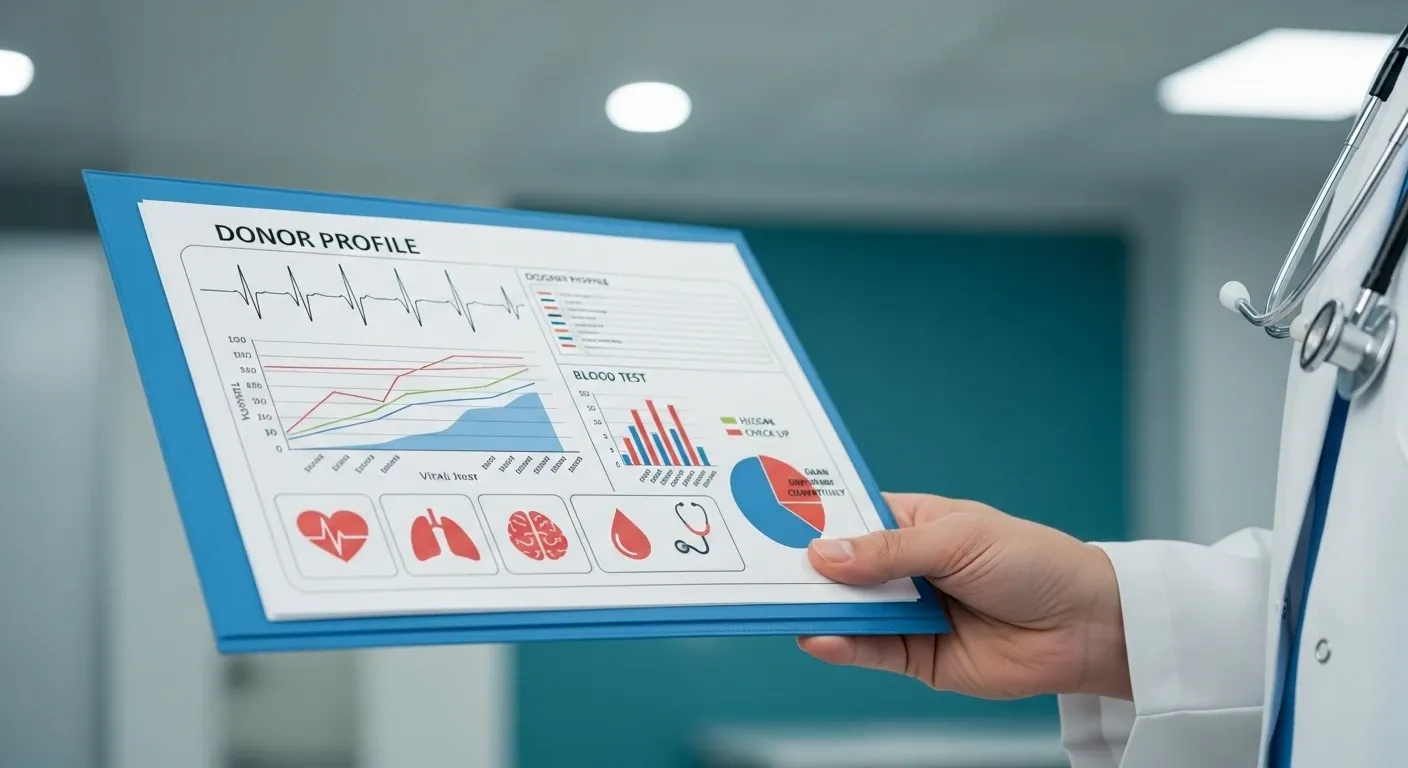
Step 2: Donor Selection
Your European clinic's donor database will include anonymous, thoroughly screened donors — both egg and sperm. European clinics follow the guidelines established by the European Society of Human Reproduction and Embryology (ESHRE) [5], which require:
- Age limits: egg donors typically 18–35 years
- Genetic screening: karyotype, carrier testing for cystic fibrosis, SMA, fragile X, and expanded panels
- Infectious disease clearance and psychological evaluation
- Phenotype matching to recipient (appearance, blood group) upon request. However, access to the donor’s photos is never granted
You will receive a donor profile including physical characteristics, blood type, education background, and health history. Identity remains anonymous in most European jurisdictions, in compliance with local law.
Donor selection in Russia has specifics that may be considered a big advantage. In particular, there is no ban on access to donors’ photos. Clinics can show child and adult pictures of their donors without violating the law. Additionally, patients can negotiate a non-anonymous donor cycle where egg and sperm donors will become contactable upon the child's 18th birthday.
Step 3: Stimulation
Once donors and the recipient are confirmed, the clinical team launches egg donor stimulation. It will be followed by PGT-A of embryos and recipient endometrial preparation in the future.
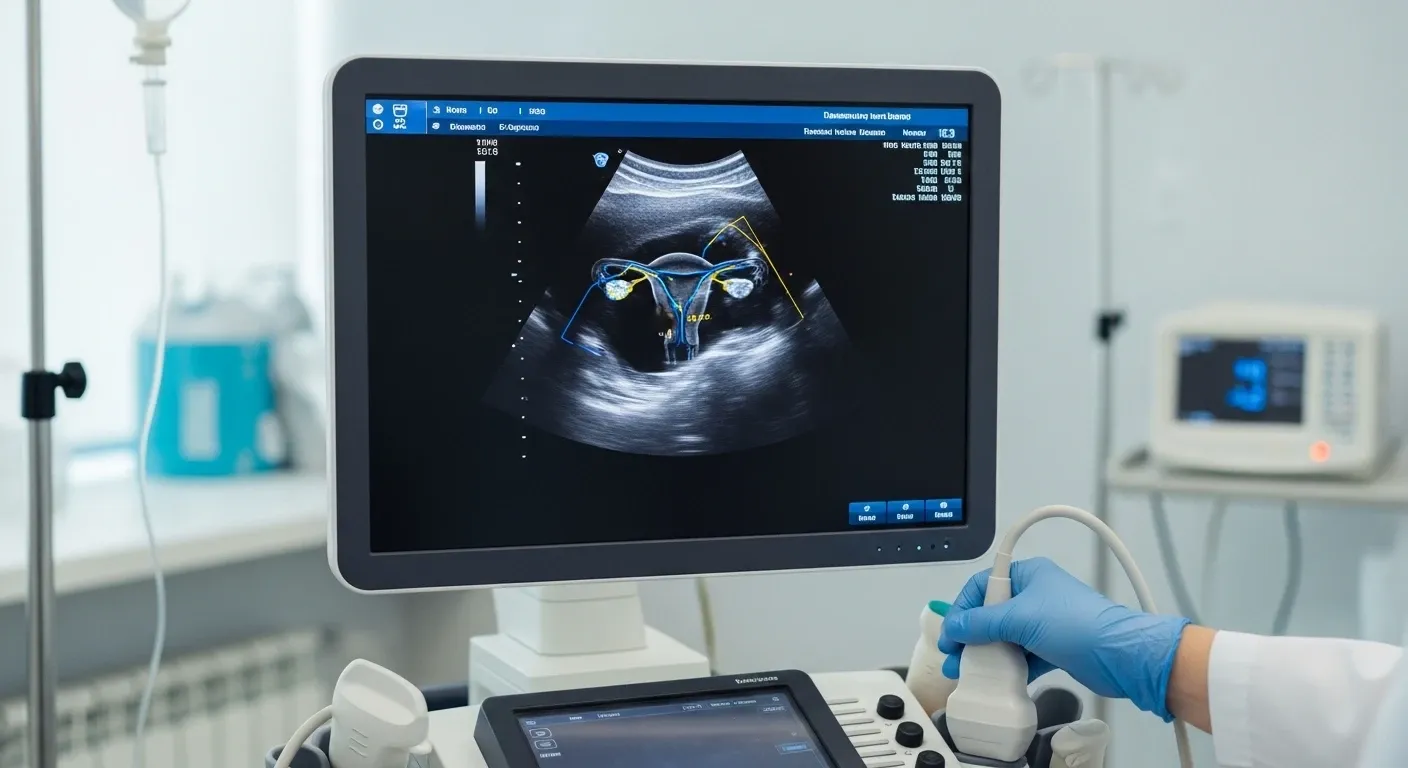
The egg donor undergoes controlled ovarian stimulation (COS) for approximately 10–14 days, monitored by ultrasound and hormone levels. Trigger injection is administered when follicles reach appropriate size. Egg retrieval (oocyte pick-up) is performed under sedation. [6]
Step 4: Fertilization and Embryo Development
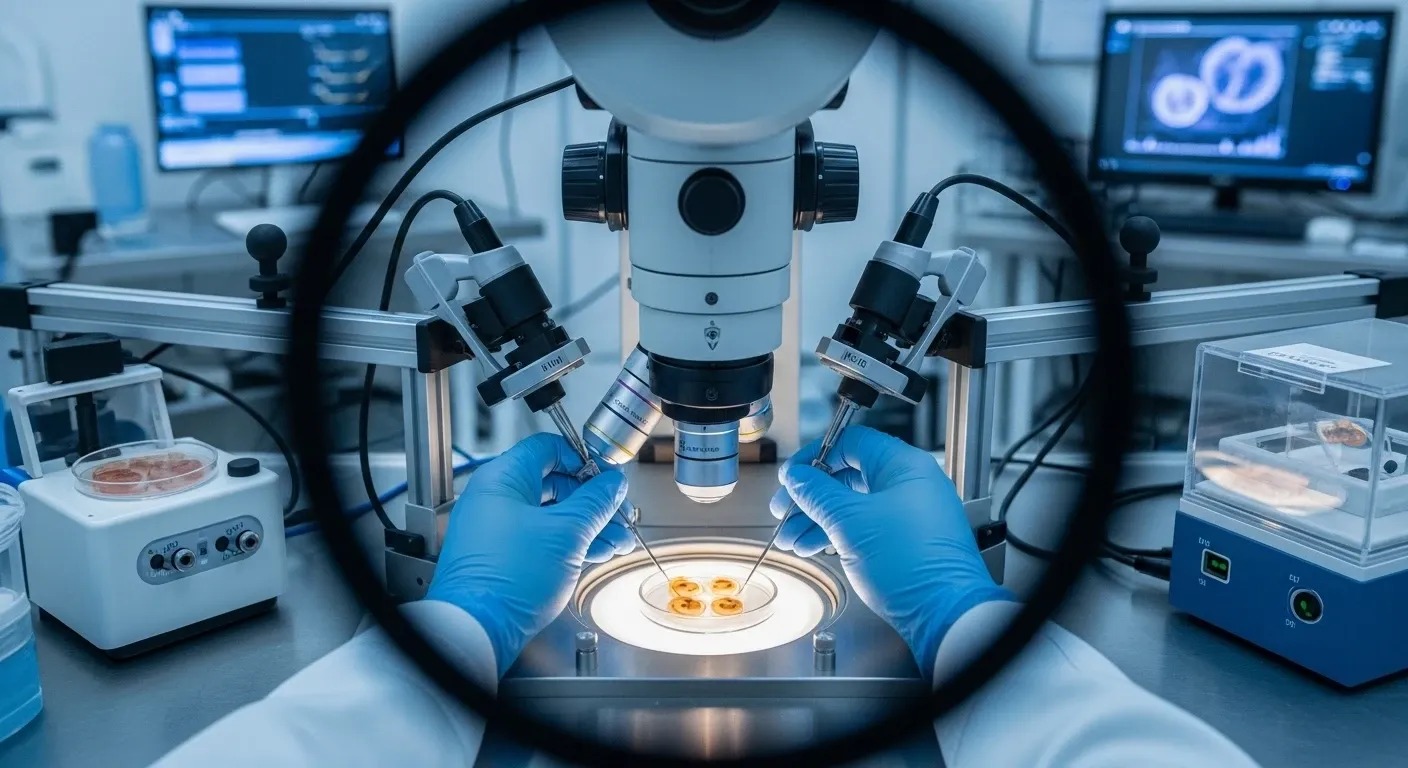
Retrieved oocytes are fertilized using the selected donor sperm via ICSI (intracytoplasmic sperm injection) — the standard technique in modern IVF that maximizes fertilization rates. Embryos develop in the laboratory for 5–7 days to the blastocyst stage, which is associated with significantly higher implantation potential compared to Day 3 transfers. [7]
Preimplantation Genetic Testing for Aneuploidy (PGT-A) is available upon request, allowing selection of chromosomally normal blastocysts and further improving success rates. [8]
Step 5: Endometrial Preparation and Your Travel
While embryos develop, the recipient prepares the uterine lining. A standard hormone replacement therapy (HRT) protocol begins with estradiol for 14-15 days, followed by progesterone supplementation when the endometrium reaches ≥7 mm with trilaminar pattern. This phase can be managed locally, by your own gynecologist, based on monitoring instructions from the treating clinic — minimizing travel time.
For the embryo transfer itself, most international patients need to be in the clinic for 4-5 days only. The transfer is a brief outpatient procedure requiring no anesthesia.

Step 6: Embryo Transfer
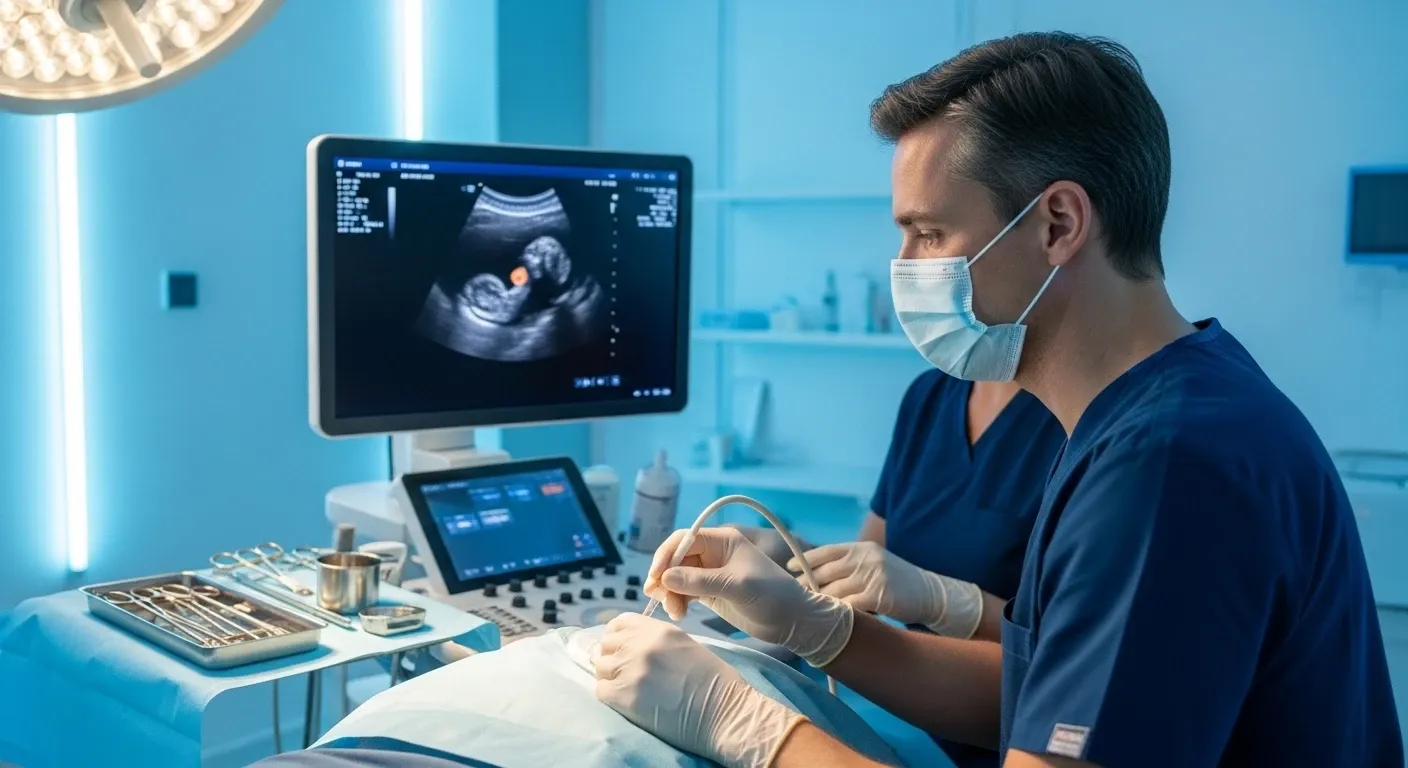
Transfer is performed under ultrasound guidance. A thin catheter carries a blastocyst into the uterine cavity. Most clinics favor single embryo transfer (SET) in line with ESHRE recommendations to minimize multiple pregnancy risk. [5] Remaining quality embryos are vitrified (frozen) for future use.
Step 7: Post-Transfer Support and Pregnancy Test
Progesterone and estrogen supplementation continues for 10–12 weeks if pregnancy is confirmed. The first beta-hCG test is performed 9-10 days post-transfer. A positive result is followed by an early ultrasound at 5–6 weeks to confirm fetal heartbeat. After the first trimester, care is transferred to your local obstetrician.
Ongoing coordination with your international coordinator ensures continuity between clinic and local care team throughout the pregnancy.

Make an appointment
